
Orange Mold: What That Fuzz Is and How to Get Rid of It
Orange mold is a type of fungus that grows on damp organic surfaces like wood, food, and insulation, appearing slimy, powdery, or foamy. Common species include Acremonium strictum, Epicoccum nigrum, Aspergillus flavus (which can produce cancer-linked aflatoxins), and the slime mold Fuligo septica. Orange mold thrives in warm, humid environments and can appear within 24-48 hours of water exposure. While not always as dangerous as black mold, some orange mold species can cause respiratory irritation, skin rashes, and allergic reactions, especially in children and immunocompromised individuals.
Orange mold? Yep, it’s a thing. And while it might look strange (or even kinda cool), it’s still mold, and that means it deserves a closer look.
So, is orange mold dangerous? Should you clean it? Is it a major health risk or just weird-looking fuzz?
Let’s break it down without the drama.
What Is Orange Mold?
Orange mold is a type of fungus that shows up on wet, organic surfaces, like wood, food, or insulation. Depending on conditions, it can look slimy, powdery, or foamy.
Its color often comes from how it absorbs minerals around it. It might start white or light brown and turn orange as it grows.
The EPA says:
“Mold reproduces by tiny spores that float through the air. Mold may begin growing indoors when spores land on wet surfaces.”
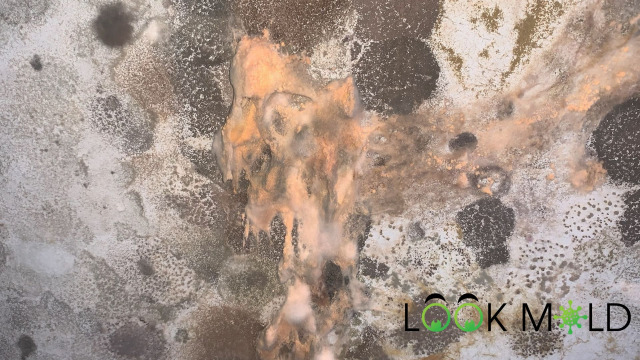
Common types of orange mold include:
- Trichia varia
- Fuligo septica (slime mold)
- Acremonium strictum
- Epicoccum nigrum
- Aspergillus flavus (can produce mycotoxins)
Notable Species (And Why They Matter)
Acremonium strictum
Found in soil and dust. Can cause infections in people with weak immune systems.
Epicoccum nigrum
Highly pigmented, spreads fast, and known to trigger allergies and asthma.
Aspergillus flavus
Produces aflatoxins, which the CDC says can damage the liver and have been linked to cancer.
What About Orange Slime Mold?
Here’s where it gets weird: some orange stuff isn’t technically mold, it’s a slime mold, like Fuligo septica.
It’s not dangerous like toxic mold, but it can still trigger allergic reactions, especially for people with mold sensitivities.
Up to 40% of allergy sufferers react to slime mold spores.
Source: EPA Mold Course Chapter 1

Where Does Orange Mold Grow?
You’ll usually find orange mold in places that stay damp or poorly ventilated, like:
- Attics
- Basements
- HVAC closets
- Behind tubs or showers
- Around leaky windows
- Under sinks
- On drywall or subflooring
And outdoors? It loves mulch, soil, compost, and rotting wood.
“The key to mold control is moisture control.”
, EPA
How Fast Does Orange Mold Grow?
In the right environment, warm, humid, with organic material, orange mold can show up in 24 to 48 hours.
Growth depends on:
- Moisture levels
- Material (wood, fabric, drywall, etc.)
- Temperature
- Ventilation

Is Orange Mold Dangerous?
It can be, especially if ignored.
Potential risks include:
- Respiratory irritation (coughing, sneezing, wheezing)
- Skin rashes from contact
- Worsening asthma or allergies
- Headaches and fatigue from long-term exposure
According to OSHA, exposure to mold can cause breathing problems, skin irritation, and immune system suppression.
Children, older adults, and people with existing health issues are most at risk.
Should You Clean or Remediate It?
It depends on where it’s growing and how much of it there is.
Clean it yourself if:
- The moldy area is under 10 square feet
- It’s on non-porous materials like tile, glass, or sealed surfaces
- There’s no water damage or ongoing leak
Call for remediation if:
- It’s on drywall, carpet, insulation, or wood
- The mold has spread beyond 10 sq. ft.
- There’s any sign of HVAC contamination
The EPA says to get help for larger areas or mold inside HVAC systems.
How to Clean Orange Mold (Safely)
If it’s a small patch, here’s how to clean it safely:
What you’ll need:
- Gloves
- N95 mask or respirator
- Eye protection
- Scrub brush or sponge
- Cleaning solution (see below)
- Fan or dehumidifier to dry the area
Cleaning options:
- White vinegar
- Hydrogen peroxide
- Baking soda + water
- EPA-registered mold cleaners
Avoid bleach, especially on wood or drywall. It doesn’t penetrate deep enough and can make the problem worse.
How to Prevent Orange Mold
You’ve heard it before: keep things dry. Mold can’t grow without moisture.
“Dry all wet materials and surfaces within 24 to 48 hours.”
, CDC
Bathroom Tips:
- Clean around toilets, especially under the rim
- Use exhaust fans during and after showers
- Fix leaky faucets quickly
Kitchen Tips:
- Clean out the fridge regularly
- Wipe up spills under the sink
- Don’t let moisture collect in trays or containers
On Wood:
Skip the bleach.
Use white vinegar or a commercial wood-safe mold remover.
Dealing with a Larger Orange Mold Problem?
If it’s big, persistent, or in your air system, don’t guess, get it inspected.
“If mold covers more than 10 square feet, or if it’s hidden inside walls or ducts, consider hiring a professional.”
, EPA

Bottom Line
Orange mold might look less threatening than black mold, but it still means your home has a moisture issue, and that needs to be fixed fast.
Small patch? Clean it.
Spreading or suspicious? Test it, inspect it, and if needed, remediate it.
Don’t guess. Don’t stress. Just fix the root of the problem, moisture, and mold won’t stand a chance.
Frequently Asked Questions
What is orange mold?
Orange mold is a general term for several species of fungi that appear orange and typically grow on wet, organic surfaces like wood, food, and insulation. Its color often comes from how it absorbs surrounding minerals, and it can range from slimy to powdery in texture.
Is orange mold dangerous?
Yes, some species of orange mold can be dangerous. Certain types like Aspergillus flavus produce mycotoxins that can damage the liver, while others cause respiratory irritation, skin rashes, and worsening asthma or allergy symptoms. Children, older adults, and immunocompromised individuals are especially at risk.
What causes orange mold to grow?
Orange mold thrives in environments with excess moisture, warmth, and organic material to feed on. Common triggers include water leaks, high humidity, poor ventilation, and damp surfaces like wood, drywall, or fabric that aren’t dried within 24 to 48 hours.
How do you remove orange mold?
For small areas under 10 square feet on non-porous surfaces, you can clean it yourself using white vinegar, hydrogen peroxide, or an EPA-registered mold cleaner. For larger infestations or mold on porous materials like drywall, carpet, or inside HVAC systems, professional mold remediation is recommended.
Is orange slime mold the same as regular mold?
No, orange slime mold (Fuligo septica) is technically not a true mold. It belongs to a different biological group and behaves differently, but it can still trigger allergic reactions in sensitive individuals, with up to 40% of allergy sufferers reacting to its spores.
Can orange mold grow in HVAC systems?
Yes, HVAC closets and ductwork are common locations for orange mold growth due to condensation, poor ventilation, and trapped moisture. If mold is found in your HVAC system, the EPA recommends hiring a professional for remediation since spores can spread throughout the entire home.
Explore Related Topics:
- Common Types of Mold Found In Your Home
- Is Black Mold Dangerous? Signs and What to Do (2026)
- White Mold: Harmless Dust or a Real Problem? (2026)
- Green Mold in the House: How Worried Should You Be?
- Pink Mold in the Shower: Why It Keeps Coming Back
Mold Removal Guides

Notice an update we should make?
We strive for accuracy. Contact us here if you see incorrect or outdated info on this page.